
let them cook! explores the endless stretches of time that are interwoven with youth in Britain. This programme was selected as part of the BFI's Rip It Up open call.
A selection of British short films that trace experiences of idle-time; exploring its vilification, the consequences of shrinking resources for youth activities, and the wonderful and unique stories that can come from sitting with stillness. It recognises boredom as the starting point for creativity and community, and highlights the importance of third spaces in encouraging young people to flourish.
BFI Rip It Up - let them cook
03 May 2026
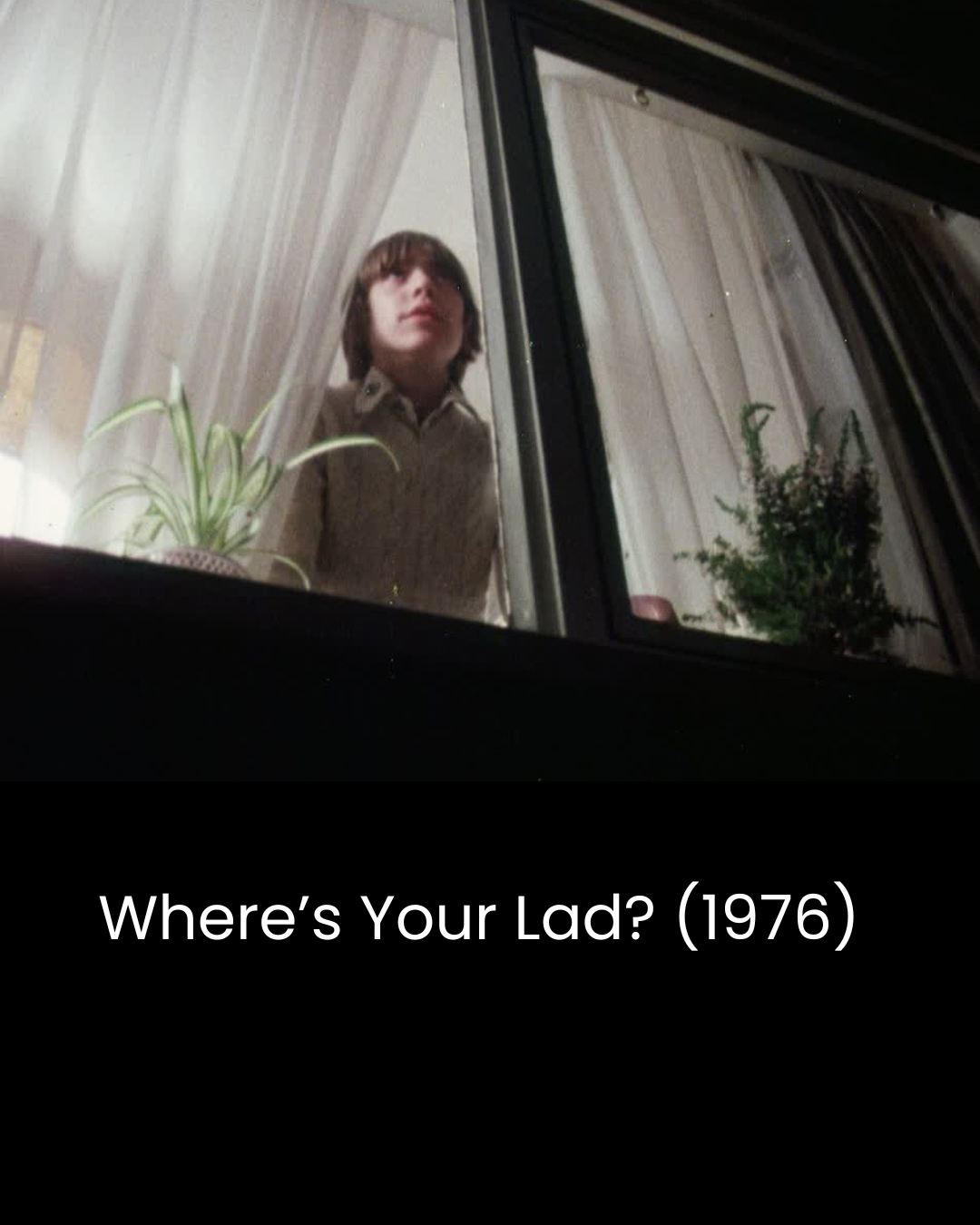
We start off with a crime prevention TV filler from 1976 called Where’s your lad?. Aiming to remind parents to monitor the whereabouts of their teenage children, it highlights the ingrained prejudice society has against groups of youths. Although this piece is objectively hilarious, it hints at the policing young people have experienced and continue to face in a world where they are often seen as a demographic to be controlled and contained.
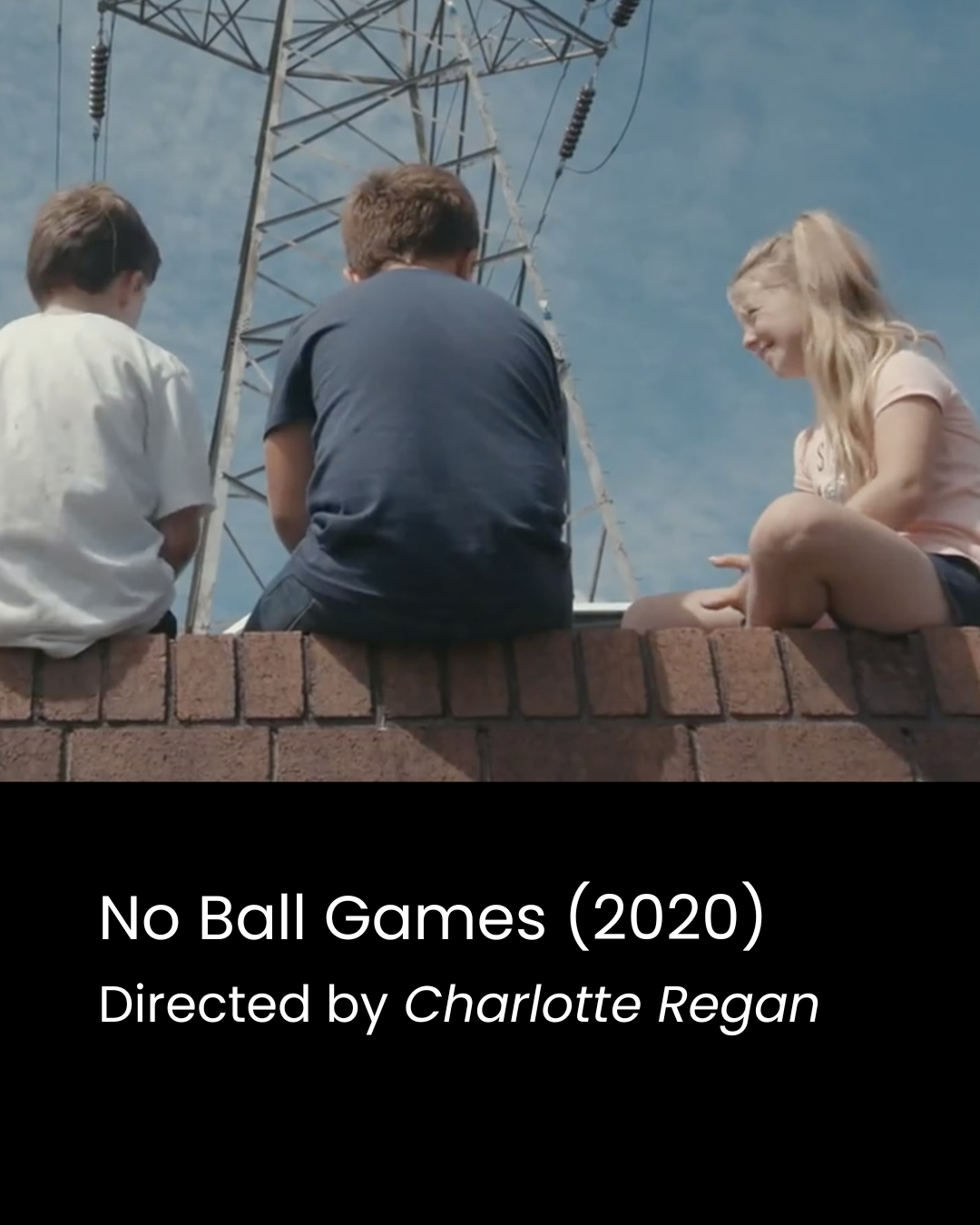
We then move into the modern day with No Ball Games, directed by Charlotte Regan. Although this documentary highlights the funding cuts to youth services, it focuses on the joy and creativity found in children’s outdoor games. By connecting stories from across Wales and England, No Ball Games expresses the shared experiences of children across Britain, and the importance of play in building friendships and establishing community.
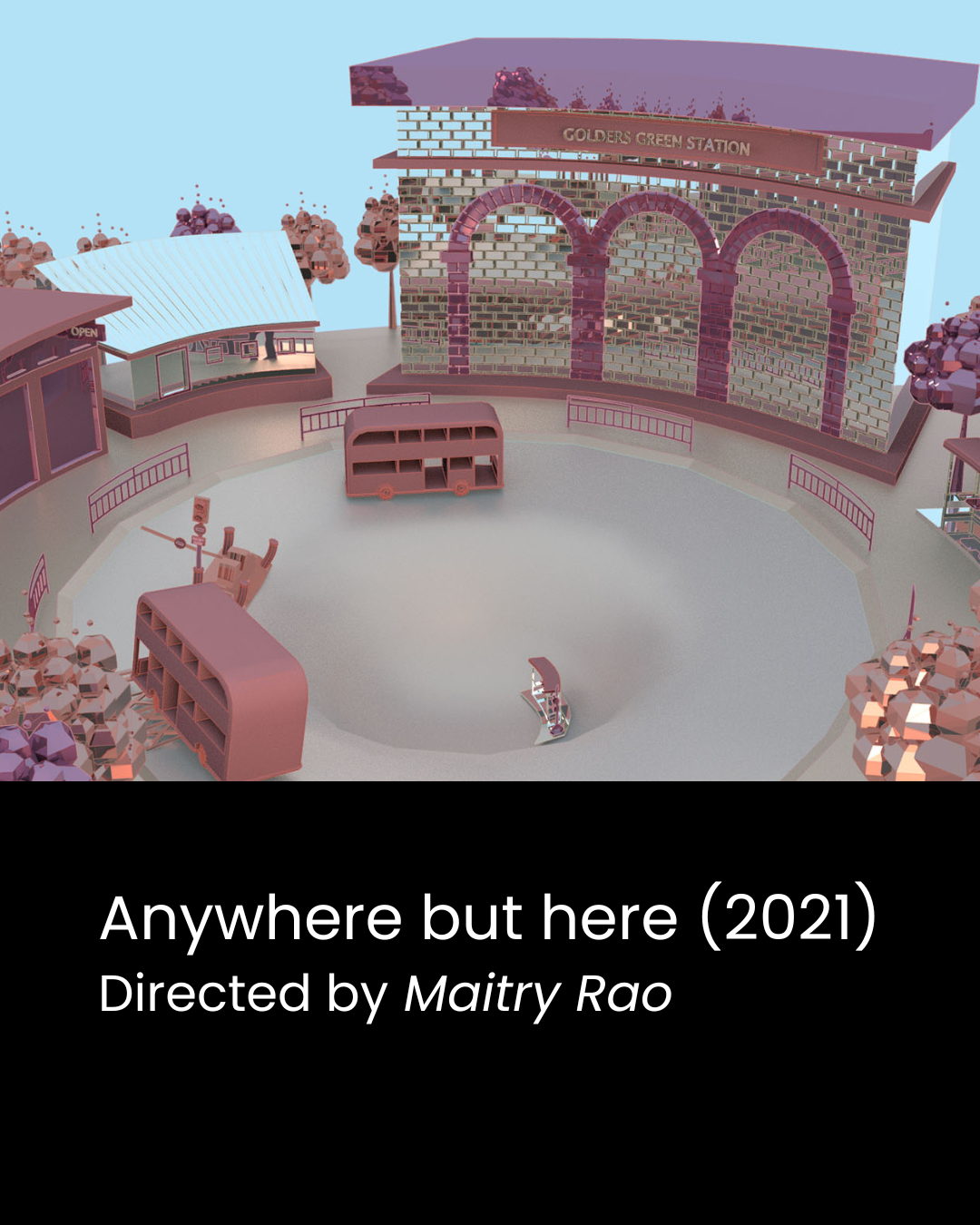
It would be remiss of us to talk about idle-time and moments that defined youth without mentioning the pandemic, as Covid inspired our next film: an animation by Maitry Rao called Anywhere But Here. This stunning piece was inspired by the stagnant feelings of lockdown and the desire for movement and new possibilities. Maitry dreams of being anywhere but her house in London and takes us on a journey to Scotland, blending reality with surreal sequences where cows can smoke and sheep can spell. Although the pandemic was an extremely difficult time, this film demonstrates the creativity that can stem from stillness and the fundamental human need for imagination and beauty.
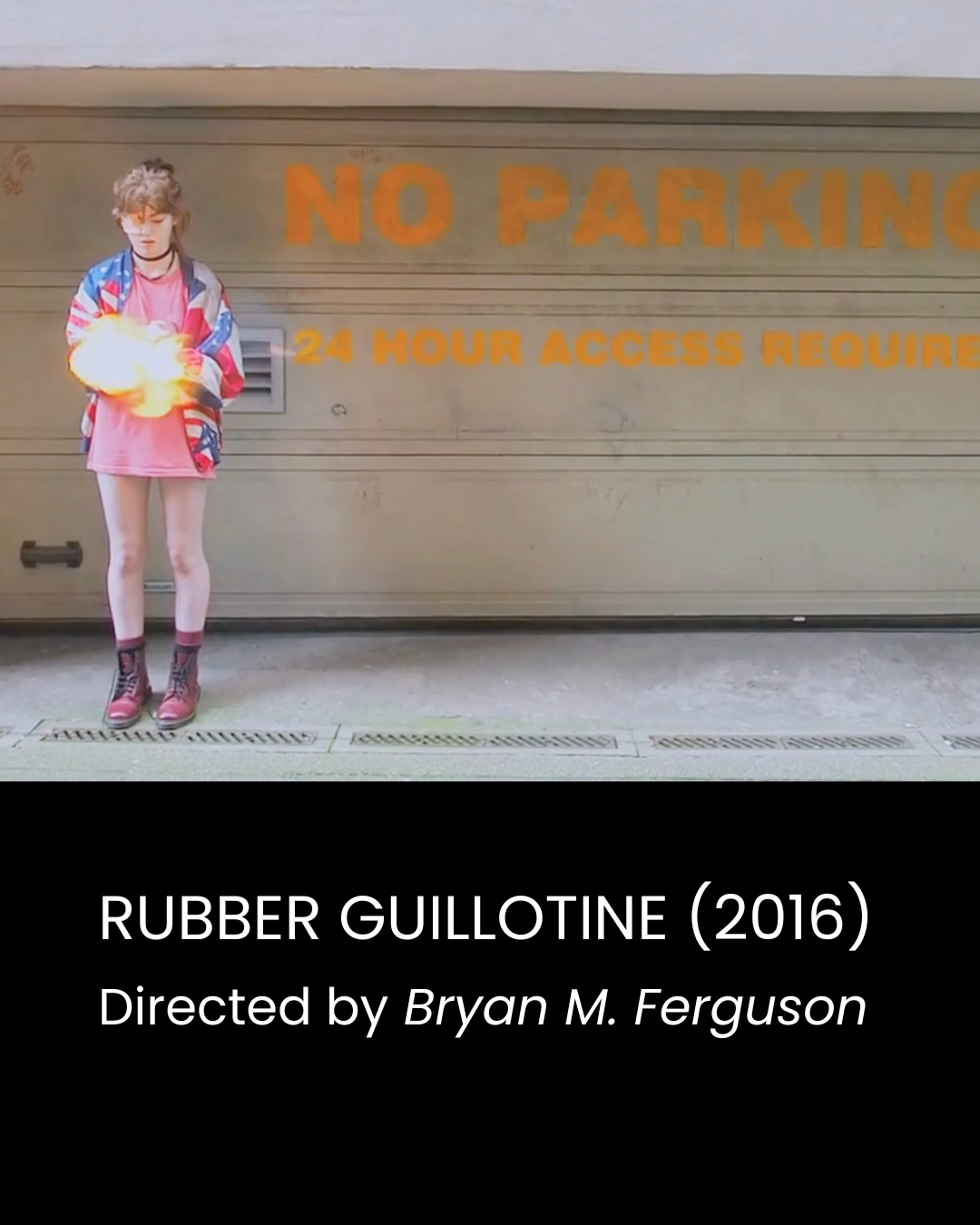
Following the thread of dreamlike realities into something more absurd, we have the micro-short Rubber Guillotine by Bryan Ferguson. Our young protagonist wishes to be turned into gelatine after her death, and leads us down a hilarious path as she rails against societally enforced norms and expectations. Ultimately, she reminds us that it is our differences and curiosities that make us unique. Although maybe becoming Jelly isn’t for everyone.
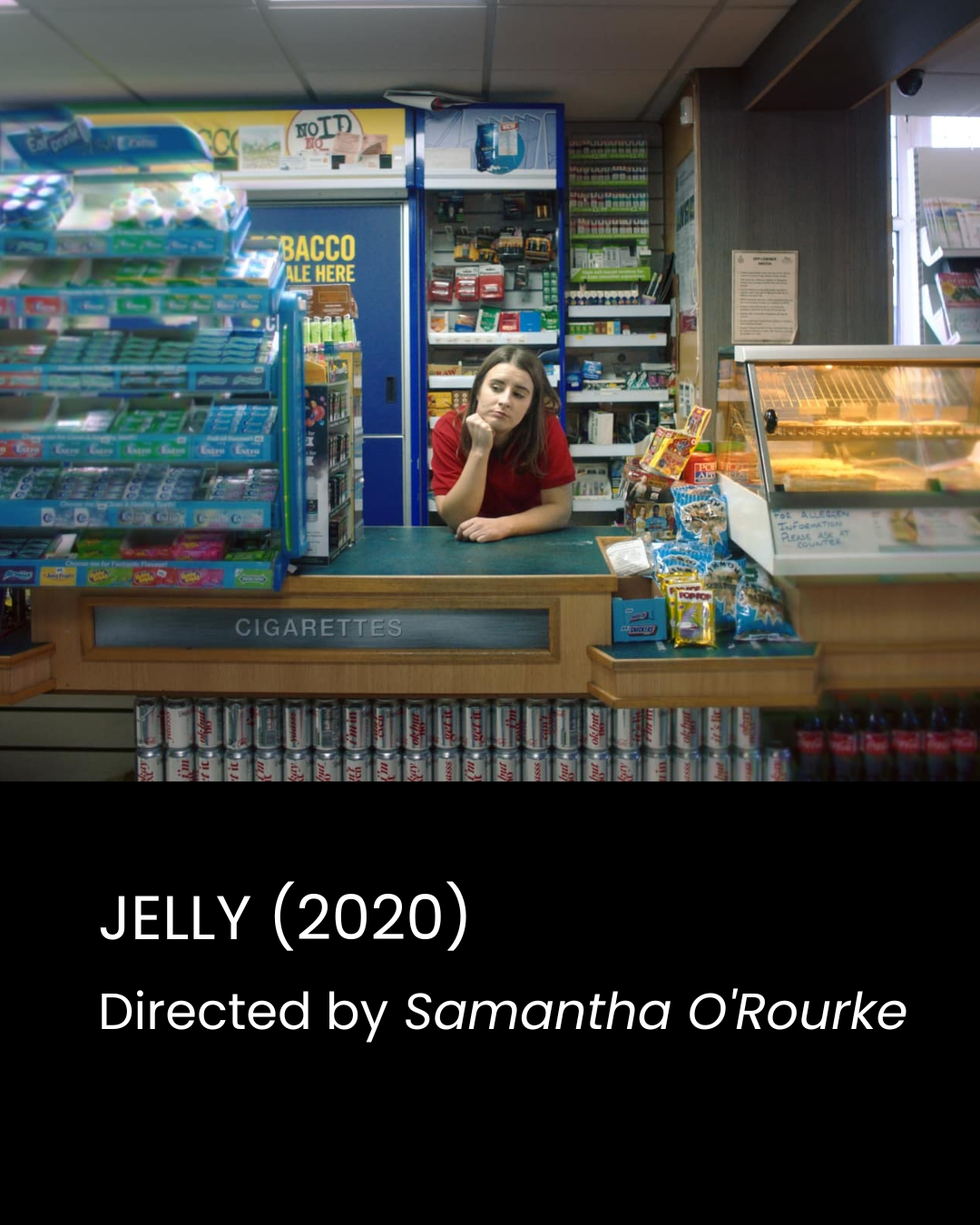
Speaking of obsession with gelatine, our penultimate short, Jelly, follows Kerry, who is bored with life. Every day is the same, waking up, going to work, watching the news with her family, feeling frustrated as people in power keep making stupid decisions that don’t reflect her beliefs. That is until she decides to take matters into her own hands. Directed by Samantha O’Rourke, Jelly demonstrates the initiative and world-building young people are capable of, each with the potential of creating a better world.
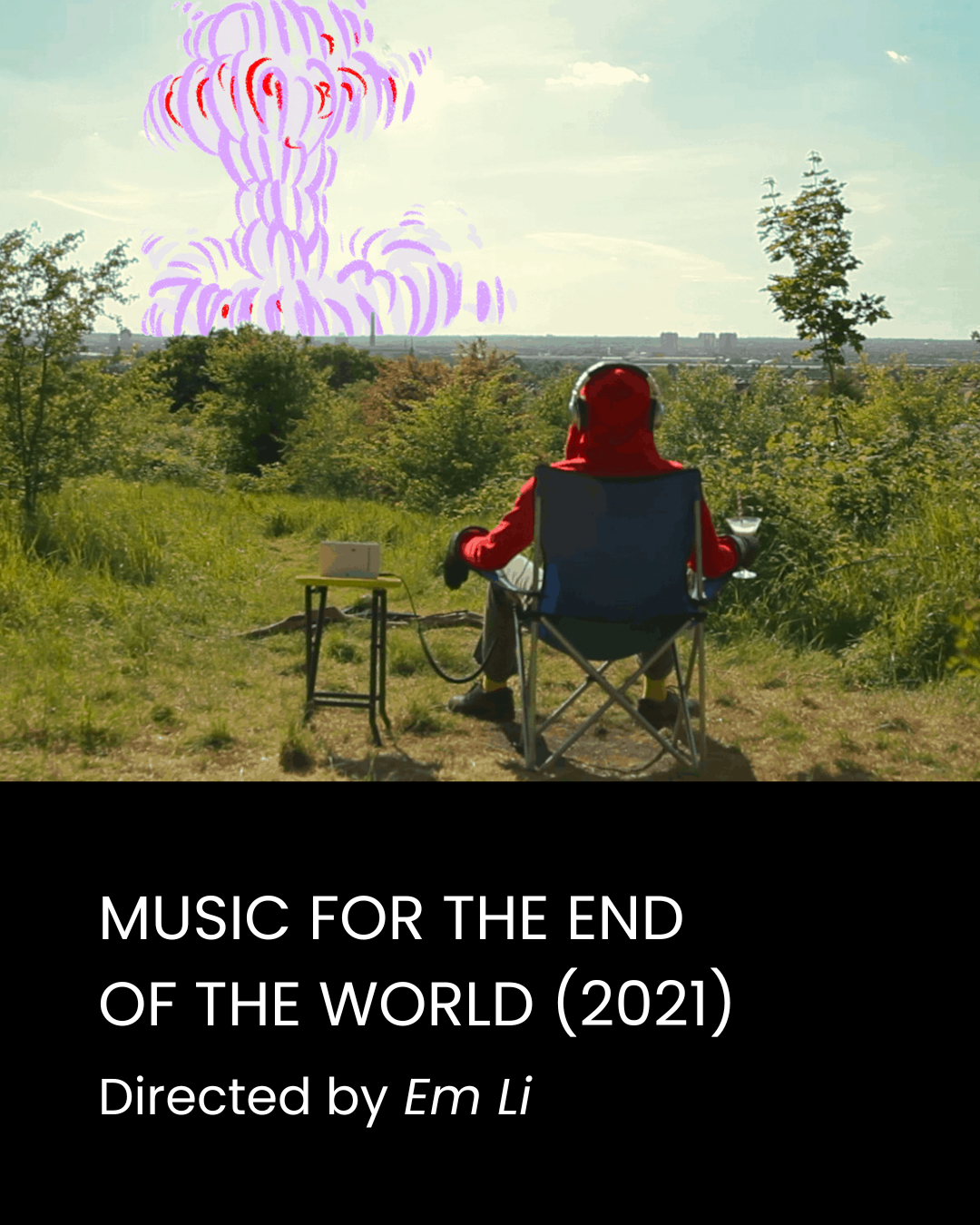
To finish off our journey into idle-ness and creativity we have Music For The End of The World by Em Li. Imagining a post-apocalyptic life where society has ended and you’re the only person left, Em playfully asks: what would you do in that situation? The answer is pretty simple, dance. On days when the world feels like a pretty grim place, we are shown it’s the little things that can make a huge difference and that our imagination is the secret ingredient to rich, fulfilling lives.

After the screening, we hosted a panel discussion with Music for the end of the world director Em Li, Skate Cabal founder James Kaguima, and the Barbican’s Creative Producer Blair Davis to shed light on how we can create and hold space for young people to flourish. The panel was moderated by SplicD’s Mariana Enriquez Denton Bustinza.